
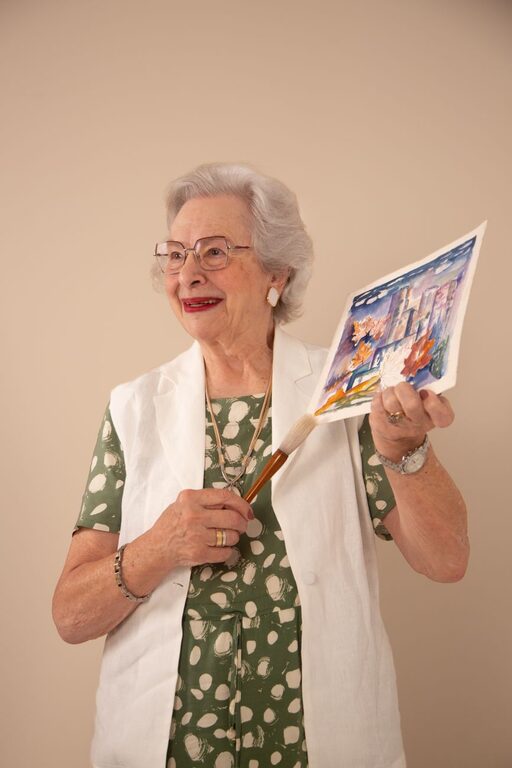
Watercolor landscapes offer a gentle, enjoyable way to spend time with color, nature, and creativity. You do not need formal art training or expensive supplies to begin. With a few basic materials and a little practice, you can paint gardens, lakes, hills, beaches, and quiet scenes from your imagination.
For women 65 and older, watercolor painting can become a rewarding hobby that fits easily into daily life. It can be enjoyed alone, shared with friends, or practiced during a relaxing afternoon at home. The goal is not to create a perfect painting. The goal is to notice beauty, experiment with color, and enjoy the process.
Why Try Watercolor Landscapes?
Watercolor has a light, welcoming quality. The paint flows with water, creating soft edges, transparent layers, and natural-looking skies. Even simple brushstrokes can suggest trees, clouds, sunlight, or distant hills.
Painting landscapes also encourages you to slow down and observe. You may begin noticing the different greens in a garden, the changing colors of the sky, or the way light rests on a pond. These small details can make ordinary surroundings feel fresh and interesting.
Some enjoyable reasons to try watercolor landscapes include:
– Exploring creativity without strict rules
– Spending peaceful time away from screens
– Practicing observation and patience
– Making handmade cards or gifts
– Recording favorite places and memories
– Joining a friendly art group or class
– Creating artwork that brightens your home
Watercolor is also easy to pause and continue later. You can spend ten minutes painting a sky or return to a scene over several days.
Simple Supplies for Getting Started
You do not need a large collection of art materials. A small, comfortable setup is often best when you are learning.
Basic watercolor supplies
Start with:
– A small set of watercolor paints
– Watercolor paper, preferably thicker than ordinary printer paper
– Two or three round brushes in different sizes
– A pencil and eraser
– A container for clean water
– A mixing palette or small white plate
– A cloth or paper towel for lifting extra water
Watercolor paper is especially helpful because it is made to handle moisture. Look for a pad labeled watercolor paper at an art store, craft store, or online shop. A student-quality set is perfectly suitable for practice.
Choose supplies that feel easy to hold and use. Brushes with larger handles may be more comfortable for some painters. A lightweight setup can also make it easier to move your materials from a table to a porch, patio, or sunny window.
Set Up a Comfortable Painting Space
A pleasant space can make painting feel more inviting. Choose a sturdy table with enough room for your paper, water, paints, and a reference image. Good lighting will help you see color clearly, especially when working with small details.
Keep your materials within easy reach. A tray, basket, or small box can hold your supplies between sessions. Protect the table with a washable cloth or sheet of paper.
You may enjoy painting near a window or outdoors when the weather is comfortable. Natural surroundings can provide inspiration, but a photograph or postcard works just as well. You can also paint from memory or combine details from several places.
Try to sit comfortably and take regular breaks. A relaxed posture makes the activity more enjoyable and helps you stay focused on the creative experience.
Begin with Simple Landscape Shapes
A landscape can be divided into a few basic areas:
- The sky
- The distant background
- The middle ground
- The foreground
- A focal point, such as a tree, path, house, or boat
Before adding paint, lightly sketch the main shapes with a pencil. Avoid drawing every detail. A simple line for the horizon and a few gentle shapes for hills or trees are usually enough.
Paint the sky first
Wet the upper part of the paper with clean water, leaving the lower area dry if you prefer a clear horizon. Add a light blue wash and let it move naturally across the page. For a sunset, try soft touches of yellow, pink, peach, or lavender.
Do not worry if the paint spreads unevenly. Watercolor often creates beautiful effects when the water and pigment move together.
Add distant shapes
Distant hills and trees usually look softer and lighter than objects in the foreground. Mix a small amount of color with plenty of water and paint these shapes with gentle edges. Blues, purples, and muted greens can suggest distance.
Allow the first layer to dry before adding more paint. This helps prevent the colors from becoming muddy.
Build the foreground
The foreground can include grass, rocks, flowers, a fence, or a winding path. Use slightly stronger colors and clearer brushstrokes. A few darker marks can suggest texture without requiring detailed drawing.
Try different brush movements:
– Short dabs for leaves and flowers
– Horizontal strokes for water
– Slanted lines for grass
– Light, curved strokes for branches
– Broad washes for fields and sandy areas
Easy Projects to Try
Small projects are a wonderful way to build confidence. Each one can be completed in a short session.
A quiet lake
Paint a pale sky, distant hills, and a simple line of trees. Add horizontal strokes beneath the horizon to suggest reflections. Keep the reflection colors softer than the land above them.
A garden path
Begin with a light path that narrows toward the distance. Add flowers or shrubs on both sides using small dabs of color. A fence or garden bench can provide a focal point.
A sunset over the hills
Use warm colors near the horizon and darker purples or blues for the hills. Leave a small light area where the sun is setting. The contrast can create a peaceful evening mood.
A favorite local place
Paint a nearby park, beach, lake, or neighborhood garden. Use a photograph as a guide, or focus on the feeling of the place rather than exact details. Adding the date or location to the back of the painting can make it a meaningful keepsake.
Enjoy the Process, Not Perfection
Many beginners feel disappointed when a painting does not look exactly as they imagined. This is a normal part of learning. Watercolor has a mind of its own, and unexpected blooms, drips, and color changes are part of its charm.
Instead of asking whether a painting is perfect, consider these questions:
– Did I enjoy choosing the colors?
– Did I discover a new brush technique?
– Is there one part of the painting I like?
– What would I enjoy trying next time?
Keep a folder of your paintings so you can see your progress. You may notice changes in your use of color, composition, and brushwork over time. Every painting contributes to your experience, even when it does not turn out as planned.
Make Painting a Social Hobby
Watercolor can be a peaceful solo activity, but it can also bring people together. Invite a friend to paint with you, join a community art group, or look for a beginner class at a local library, recreation center, or art store.
A shared painting session does not need to be formal. Everyone can work on a different scene while enjoying conversation and a cup of tea. You might exchange ideas, share supplies, or create seasonal paintings together.
Online tutorials and virtual art groups can also provide inspiration. Choose instructors who explain each step clearly and encourage experimentation.
A Gentle Creative Routine
To make watercolor part of your regular life, set aside a small amount of time each week. Even one or two short sessions can help you build a comfortable routine.
You might:
– Paint for fifteen minutes after breakfast
– Work on a small landscape each weekend
– Keep a travel watercolor kit for outings
– Paint seasonal scenes throughout the year
– Write a few notes about the colors and techniques you used
Watercolor landscapes are an inviting hobby at any age. With simple supplies and a willingness to experiment, you can create scenes that reflect nature, memories, and imagination. Let each painting be an opportunity to relax, notice beauty, and enjoy your own creative voice.