
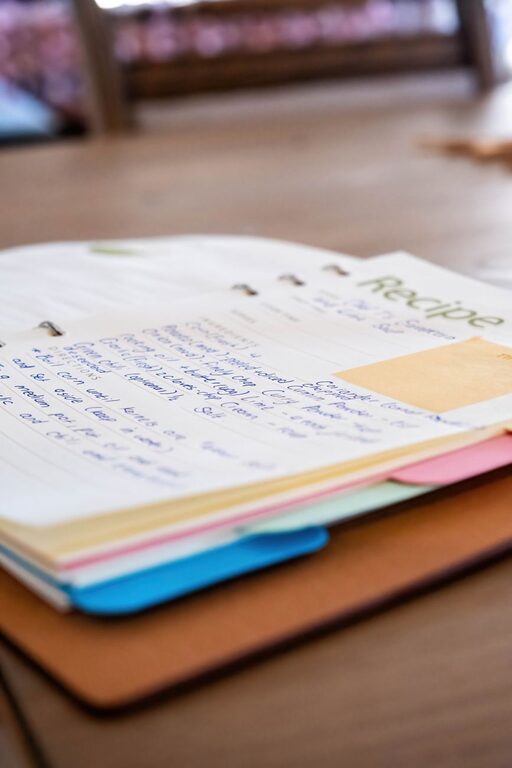
Family recipes are more than lists of ingredients and instructions. They can carry memories of holidays, weekend breakfasts, celebrations, and time spent together in the kitchen. Starting a family recipe collection is a thoughtful way to preserve those memories and make sure favorite dishes are not forgotten.
Your collection can be as simple as a binder, a digital folder, or a combination of both. The most important step is to begin gathering recipes and recording the details that make them special.
Decide What Your Collection Will Include
Before collecting recipes, think about the purpose of your project. A family recipe collection might include:
– Everyday meals
– Holiday and celebration dishes
– Baked goods and desserts
– Homemade sauces, jams, or spice blends
– Recipes passed down through several generations
– Family favorites created more recently
– Notes about traditions, memories, and special occasions
You do not need to wait until you have a large number of recipes. A collection of 10 meaningful recipes can be a wonderful beginning.
Consider including recipes from different relatives and branches of the family. Ask parents, grandparents, siblings, aunts, uncles, and cousins if they have dishes they would like to contribute.
Gather Recipes From Family Members
Start by making a list of people who may have recipes to share. Some relatives may have handwritten cards, while others may remember recipes without using exact measurements.
You can ask family members questions such as:
– What dish did your family make most often?
– Which recipe reminds you of home?
– What did you prepare for holidays or birthdays?
– Is there a recipe you learned from a parent or grandparent?
– What ingredient or cooking step makes the dish unique?
– Do you have a story connected to this recipe?
Be patient when gathering information. A recipe may come from memory and require several conversations to record accurately. If possible, ask the cook to prepare the dish while you take notes. Watching the process can reveal details that are missing from a written recipe.
Choose a Format
The best format is one your family will actually use. You can choose one option or combine several.
A Printed Binder
A binder is simple, flexible, and easy to update. Use page protectors to keep recipes safe from spills and allow you to add new pages later.
Helpful sections might include:
– Breakfast
– Main dishes
– Side dishes
– Soups and salads
– Breads and baking
– Desserts
– Drinks
– Holiday recipes
You can also add dividers for different relatives or generations.
A Digital Collection
A digital collection is easy to share with family members. You can store recipes in a shared document, folder, or recipe application. Scan handwritten cards or photograph them clearly, then save the files with useful names.
For example, instead of naming a file “recipe1,” use a name such as “Grandma Elsie Apple Pie.” Include the contributor’s name and the date the recipe was added when appropriate.
A Family Cookbook
If you have gathered many recipes, consider creating a printed family cookbook. You can design it yourself or use a cookbook service. Add photographs, short stories, family sayings, and notes about where each recipe came from.
A cookbook can be made for a special event, such as a family reunion or anniversary, or simply as a keepsake for relatives.
Record Recipes Clearly
Recipes passed down through families often use phrases such as “a pinch,” “until it looks right,” or “bake until done.” These instructions may be familiar to an experienced cook but difficult for someone learning the recipe.
When possible, record:
– Ingredient amounts
– Preparation steps
– Cooking temperature
– Cooking time
– Pan or pot size
– Number of servings
– Storage instructions
– Helpful substitutions
– Signs that the dish is ready
Do not remove the original wording entirely. The informal language may be part of the recipe’s charm. You can include the traditional version along with a clearer explanation for newer cooks.
For example, a note might say, “Add flour until the dough is soft but not sticky,” followed by an approximate measurement based on a recent test.
Preserve the Stories Behind the Food
The story connected to a recipe may be just as valuable as the recipe itself. Add a short note about when the dish was served, who taught it, or why your family enjoys it.
You might include details such as:
– “This cake was made for every birthday.”
– “The recipe came from a neighbor and was adapted over time.”
– “Everyone helped shape the cookies during winter break.”
– “This soup was prepared after long days of gardening.”
If a relative has a favorite memory, record it in their own words. A short quotation can make the collection feel personal and authentic.
Photographs can also add meaning. Include pictures of the finished dish, the original recipe card, the person who contributed it, or family members preparing the food together.
Test and Update Each Recipe
A recipe that has been passed down may need small adjustments. Ingredients, cookware, ovens, and serving sizes can change over time. Test each recipe before adding it to the final collection.
During testing, note:
– Whether the ingredient amounts work as written
– How many people the recipe serves
– Whether the cooking time needs adjustment
– Which steps may be unclear
– Whether the dish can be prepared ahead
– How leftovers should be stored
Invite another family member to prepare the recipe using your written instructions. If they have questions, revise the recipe so it is easier to follow.
Keep the original recipe card or notes, even if you create an updated version. The original may have historical and sentimental value.
Create a System for Organization
A simple system will make the collection easier to use. Give each recipe a clear title and include the contributor’s name. You may also add a category, date, and family connection.
For a digital collection, create regular backups. Store copies in more than one location, such as a computer and an external drive or online storage service. For printed recipes, scan important pages and keep the files with your other family documents.
Review the collection once or twice a year. Add new recipes, correct instructions, and mark dishes that have become family favorites.
Keep the Tradition Active
Preserving recipes is only part of the process. Continue using them and teaching them to others. Invite children and younger relatives to help measure ingredients, write notes, or choose a recipe for a family meal.
You can also create simple traditions around the collection:
– Prepare one family recipe each month
– Cook a relative’s dish on their birthday
– Share a recipe during holiday gatherings
– Hold a family cooking day
– Add a new recipe after each reunion
– Give printed recipe pages as gifts
These activities help recipes remain part of everyday life instead of becoming items that sit unused.
Start Small and Keep Going
A family recipe collection does not need to be perfect. Begin with the dishes people already talk about and enjoy. Photograph handwritten cards, write down remembered instructions, and ask relatives for the stories behind their recipes.
Over time, your collection will grow into more than a cookbook. It will become a record of family members, shared meals, and traditions that connect one generation to the next.