
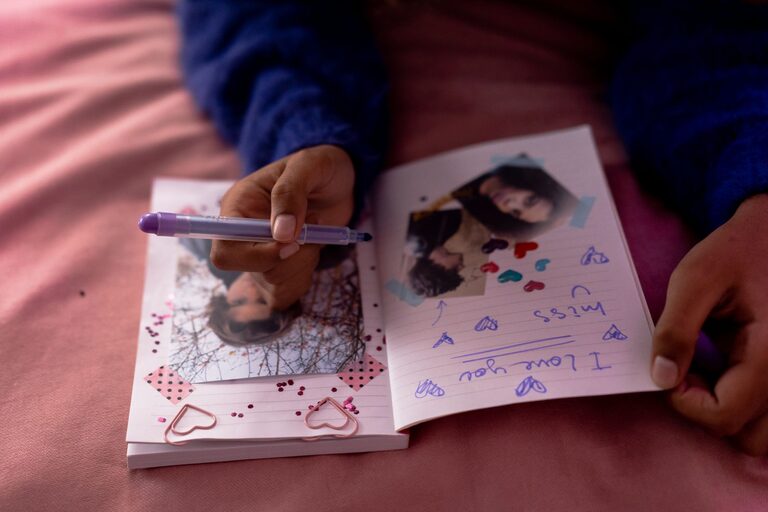
Writing personal memories is a way to preserve meaningful moments and share the experiences that have shaped you. You do not need to be a professional writer or have an extraordinary life story. Small moments—a conversation, a family tradition, a favorite place, or a difficult lesson—can become engaging personal writing when they are described with honesty and detail.
The key is to focus on one experience at a time. Rather than trying to tell your entire life story, choose a single memory and explore what happened, how it felt, and why it still matters.
What Is a Personal Memory?
A personal memory is a true account of an experience from your life. It may be a short scene, a story about an important event, or a reflection on an ordinary moment.
Personal memories often include:
– A specific time and place
– People who were present
– Details about what happened
– Thoughts and feelings
– A reflection on the meaning of the experience
A memory does not have to be dramatic to be worth writing. A rainy afternoon spent with a grandparent, the first day at a new school, or a family meal can reveal relationships, values, and personal growth.
Start With One Clear Memory
Beginners often make the mistake of choosing a topic that is too broad. “My childhood” or “My years in school” may contain many possible stories, but they are difficult to cover in one piece.
Instead, narrow the subject to one moment. For example:
– The day you learned to ride a bike
– A family celebration that went unexpectedly
– A conversation you still remember
– Your first day in a new home
– A time you helped someone
– A place you visited often as a child
– An object that reminds you of someone
A focused memory gives your writing a natural beginning, middle, and ending. It also makes it easier for readers to understand and connect with the story.
Use Memory Prompts
If you are unsure where to begin, ask yourself questions such as:
– What is one of my earliest clear memories?
– What place made me feel safe or happy?
– Who taught me an important lesson?
– What ordinary activity did my family enjoy?
– When did I feel proud, surprised, embarrassed, or relieved?
– What object from my past still has meaning?
– What moment changed the way I saw a person or situation?
Write down several quick answers without judging them. One of these ideas may develop into a strong personal memory.
Build a Simple Structure
A clear structure helps readers follow the story. Most personal memories can be organized into three main parts.
1. The Beginning
Introduce the setting and situation. Tell readers when and where the memory took place, and identify the important people.
You might begin with a direct opening:
> “On the first Saturday of summer, my father took me to the old community pool.”
You can also begin with an interesting detail:
> “The smell of wet pavement always takes me back to that afternoon.”
The beginning should give readers enough information to enter the moment without explaining every background detail.
2. The Middle
Describe what happened. Include the actions, conversations, and changes that moved the story forward.
This is usually the longest section. Focus on the most important parts of the experience rather than listing everything that occurred. If several events happened that day, choose the ones that support the main idea of your memory.
3. The Ending
End by showing what the memory means to you now. You might explain what you learned, how your feelings changed, or why the moment has stayed with you.
The ending does not need to offer a grand lesson. A simple reflection can be powerful:
> “I do not remember every detail of that summer, but I still remember how welcome I felt in that small kitchen.”
Add Specific Sensory Details
Specific details help readers imagine the scene. Think about what you saw, heard, smelled, tasted, or touched.
Instead of writing:
> “The house was old.”
Try:
> “The wooden stairs creaked beneath our feet, and the hallway smelled faintly of soap and dust.”
Sensory details make a memory feel more immediate. Choose a few details that are closely connected to the experience. You do not need to describe everything in the room.
Consider these questions:
– What colors or shapes stood out?
– What sounds surrounded you?
– Was the air warm, cold, dry, or humid?
– What scents do you remember?
– What textures did you feel?
– Was there a particular taste associated with the moment?
Details do not have to be perfectly remembered. Memories can become less precise over time, so focus on what you genuinely recall rather than inventing information.
Show Feelings Through Actions
It is helpful to name your feelings, but showing them through actions can make the writing more vivid.
Instead of:
> “I was nervous.”
You might write:
> “I kept checking the clock and twisting the corner of my notebook.”
Actions, expressions, and physical reactions can reveal emotions naturally. You can still explain your feelings directly, especially when reflecting on the memory, but try to balance explanation with scenes.
For example:
> “I wanted to appear confident, but my hands were shaking as I reached for the microphone.”
This sentence tells readers how you felt and shows how that feeling appeared in the moment.
Include Dialogue Carefully
Dialogue can bring a personal memory to life. Use it when you remember a particular phrase or conversation that matters to the story.
Keep dialogue short and natural. For example:
> “You can try again,” my brother said. “There is no rush.”
If you do not remember the exact words, avoid presenting the conversation as a perfect quotation. You can summarize it instead:
> “My brother encouraged me to try again and reminded me that I did not have to hurry.”
This approach keeps the writing honest while still conveying the meaning of the exchange.
Write Honestly, but Protect Privacy
Personal writing can be meaningful because it is honest. You do not need to make yourself look perfect or turn every experience into a success story. Admitting confusion, mistakes, or mixed feelings often makes a memory more relatable.
At the same time, consider the privacy of other people in your story. Before publishing a memory, you may want to:
– Change names or identifying details
– Leave out information that is not necessary
– Ask permission when appropriate
– Focus on your own experience rather than judging someone else
– Avoid sharing private details that could cause harm or discomfort
Writing honestly does not mean sharing everything. You can choose boundaries that feel right for you.
Revise After the First Draft
Your first draft is meant to capture the memory, not make it perfect. Once you finish, take a break and read it again later.
During revision, ask:
– Is the memory focused on one main experience?
– Can readers tell when and where it happened?
– Are there details that make the scene vivid?
– Have I included my thoughts and feelings?
– Are any parts repetitive or unrelated?
– Does the ending explain why the memory matters?
Remove details that do not support the story. Replace vague words with specific ones where possible. Check that the sequence of events is easy to follow.
Reading your work aloud can also help. You may notice long sentences, repeated phrases, or places where the writing sounds unnatural.
Practice With Short Memory Exercises
You can improve by writing regularly, even for a few minutes at a time. Try these exercises:
Write About an Object
Choose an object from your past, such as a toy, photograph, recipe card, or piece of clothing. Describe it and explain what memory it brings back.
Describe a Familiar Place
Write about a room, street, school, or outdoor space you remember well. Focus on sensory details and the people connected to it.
Begin With a Sentence
Use a sentence starter such as:
– “I remember the moment when…”
– “At the time, I did not understand that…”
– “Every time I smell…”
– “The first thing I noticed was…”
– “Years later, I still think about…”
Write continuously for ten minutes without worrying about grammar or organization.
Let Small Moments Matter
The best personal memories are not always the most dramatic. A quiet moment can reveal love, change, loss, humor, or hope. What makes a memory meaningful is often the way you see it now.
Begin with one real experience, describe it clearly, and reflect on its importance. With practice, you will learn to notice the details that make your memories unique. Your stories do not need to be perfect. They only need to be honest, focused, and written in your own voice.