
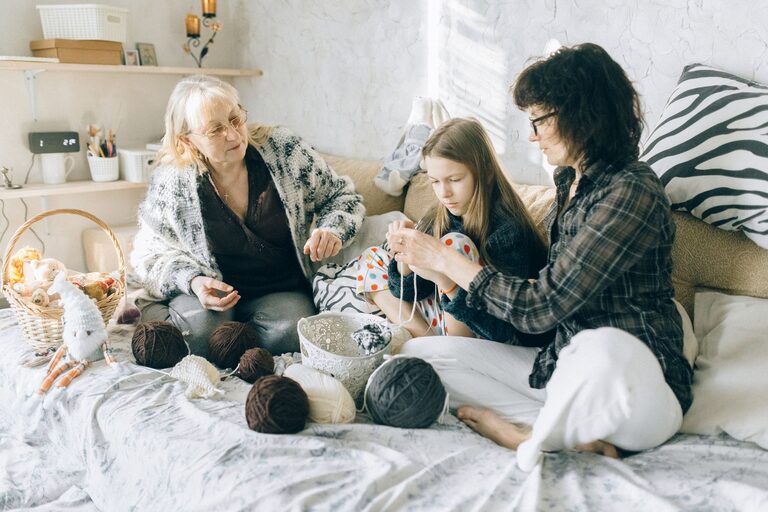
Knitting can be a relaxing way to spend an afternoon, learn a new skill, or reconnect with a favorite pastime. For women 65 and older, simple knitting projects can also offer meaningful ways to make thoughtful gifts and share time with others.
The best projects are enjoyable rather than demanding. Choose patterns with clear instructions, comfortable yarn, and manageable pieces. If your hands become tired, take regular breaks and adjust your knitting setup for comfort.
Choosing the Right Project
Before casting on, consider how much time and energy you want to spend. Small projects are often satisfying because they can be finished in one or two sessions. Larger projects can be rewarding when worked on gradually.
Look for projects that include:
– Basic stitches such as knit and purl
– Straight needles or a familiar circular needle
– Medium or bulky yarn that is easy to see
– Simple shapes with little sewing
– Patterns with large, clear print
– Instructions that explain each step
Bright or light-colored yarn may make stitches easier to see. A smooth yarn is often simpler for beginners than a fuzzy or highly textured option. Keep a small notebook nearby to record the pattern, needle size, yarn brand, and project notes.
1. Soft Dishcloths
Dishcloths are among the easiest knitting projects to make. They are small, useful, and suitable for practicing basic stitches.
A simple garter stitch dishcloth uses knit stitches throughout. Choose cotton yarn, which is durable and washable. You can make several in different colors and tie them together with a ribbon for a practical housewarming or hostess gift.
To make the project more personal, try:
– A two-color stripe pattern
– A seed stitch border
– A simple initial or heart design
– Matching cloths in seasonal colors
Dishcloths are also helpful projects for group knitting sessions. Each person can make a few, then combine them into a shared gift basket.
2. Simple Scarves
A scarf can be made with a basic stitch pattern and does not require complicated shaping. For an especially easy version, cast on a comfortable number of stitches and work in garter stitch until the scarf reaches the desired length.
Choose a soft, washable yarn in a color the recipient enjoys. A medium-weight yarn can help the project grow steadily without becoming too heavy.
A simple scarf is easy to share with:
– A family member
– A neighbor
– A friend celebrating a birthday
– Someone who enjoys handmade accessories
– A local donation or community group
If a full-length scarf feels like too much, make a short neck warmer or cowl. These smaller versions usually require less yarn and can be finished more quickly.
3. Mug Cozies
Mug cozies are small knitted covers that add color to a favorite cup. They make cheerful gifts and are useful for using leftover yarn.
A basic mug cozy can be made as a narrow rectangle and fastened around the mug with a button, tie, or small loop. Measure the mug first, leaving enough room for the handle. Avoid making the cozy too tight, and remind recipients to remove it before washing the mug.
Try creating sets with:
– Coordinating colors
– Seasonal patterns
– Simple stripes
– Matching coasters
– A small packet of tea or coffee
These projects are a good choice when you want to make several gifts without committing to a large pattern.
4. Headbands and Ear Warmers
Knitted headbands are practical, stylish, and often easier than hats. They can be made from a narrow strip and sewn together at the ends.
A ribbed pattern gives the headband gentle stretch. Garter stitch creates a simple, classic look, while a basic cable can add texture if you want to practice a new technique.
When making a headband, measure the intended wearer’s head or compare the project with a comfortable headband. Leave a little stretch for a secure but comfortable fit. Soft yarn is especially important for items worn near the ears and forehead.
Make several in different colors to share with relatives, friends, or members of a community group.
5. Fingerless Mitts
Fingerless mitts keep the hands warm while leaving the fingers free for reading, writing, gardening, or using a phone. They are usually simpler than full gloves because they do not require individual finger shaping.
A beginner-friendly pattern may use a rectangle that is sewn together with an opening for the thumb. More advanced designs can be worked in the round with ribbing at the wrist.
Consider using:
– Soft wool blends
– Washable acrylic yarn
– Ribbed cuffs for a better fit
– Neutral colors for everyday wear
– Bright colors for a cheerful gift
Make sure the thumb opening is large enough for comfortable movement. If the recipient has sensitive skin, choose a soft yarn and avoid scratchy fibers.
6. Baby Blankets and Lap Blankets
Blankets can be meaningful projects, especially when made for a new baby, family member, or someone who enjoys extra warmth while reading or relaxing.
For a manageable blanket, use a repeating square pattern or wide stripes. Knit several smaller squares and join them later if working on one large piece feels tiring. This approach also makes it easy to carry one section with you.
A lap blanket is often smaller and faster to complete than a full-size throw. Choose a washable yarn and avoid loose decorative pieces that could catch or pull.
You can share blankets with:
– New parents in your family
– Friends moving into a new home
– Community care organizations
– Local groups that collect handmade items
Always check a group’s current guidelines before donating. Some organizations have specific requirements for yarn type, size, or washing.
7. Simple Holiday Ornaments
Knitted ornaments are small projects that can add a handmade touch to celebrations. Try making stars, small stockings, trees, hearts, or tiny gift bags.
Ornaments can be made from leftover yarn, making them a budget-friendly project. Add a loop of ribbon or yarn for hanging. If giving ornaments to children, avoid small loose parts that could be unsafe.
A collection of handmade ornaments can become:
– A family keepsake
– A package decoration
– A place card for a holiday meal
– A small gift for a neighbor
– A contribution to a craft sale
Write the year on a small paper tag so recipients can remember when the ornament was made.
Making Knitting More Comfortable
Comfort can make a big difference during any knitting session. Sit in a chair that supports your back, keep your shoulders relaxed, and place your materials within easy reach. Work in good lighting, especially when using dark yarn.
Take short breaks to stretch your fingers and rest your eyes. If a project feels uncomfortable, change your needle size, try a different yarn, or choose a smaller design. There is no need to rush.
An audiobook, gentle music, or a conversation with a friend can make knitting even more enjoyable. A local library, recreation center, or community group may also offer knitting circles where people share patterns and encouragement.
Sharing the Finished Project
The most meaningful part of a handmade project is often the thought behind it. Add a small note explaining the yarn, the pattern, or why you chose the colors. This personal touch can make a simple item feel especially special.
You can share your knitting by:
– Giving gifts to family and friends
– Trading projects with a knitting group
– Donating approved items to local organizations
– Selling items at a community craft event
– Teaching a basic stitch to someone new
– Displaying finished work at a club or gathering
Start with a project that matches your interests and available time. Whether you knit one dishcloth or a basket of gifts, each finished piece reflects creativity, patience, and care.